Time and Tides: Xiao Lu’s Recursive Art, 1989-2019
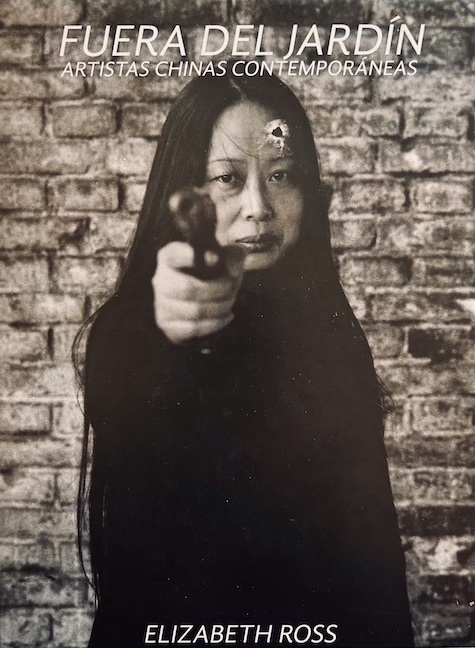
The inescapable focus of any commentary on the art of Chinese-born female artist Xiao Lu is the action of her firing a gun into her installation Dialogue 对话 (1988-89).
The inescapable focus of any commentary on the art of Chinese-born female artist Xiao Lu is the action of her firing a gun into her installation Dialogue 对话 (1988-89).
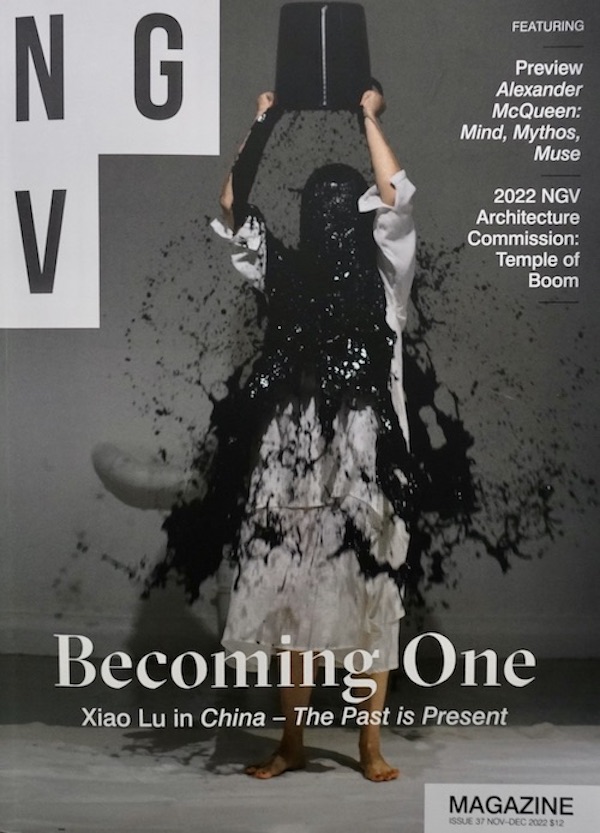
On 5 September 2015, at the Valand Academy of Fine Arts in Gothenburg, Sweden, performance artist Xiao Lu (b.1962) poured buckets of black ink and water over her head in an almost trance-like ritual of self-immersion and re-emergence. Her apparently simple actions, viscerally shocking to view, embodied Xiao’s complex responses to gendered lived experiences and …
In late May 2011, escaping the behemoth art fair ArtHK. I caught the subway to the end of the Hong Kong Island line.
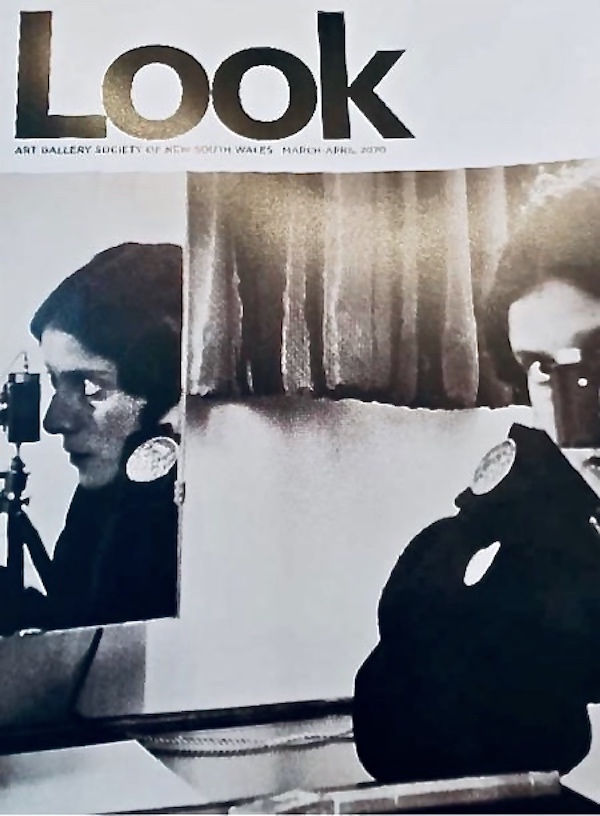
On 5 February 1989, two gunshots were fired at Dialogue, an installation art work in the exhibition China/Avant-Garde at China’s National Art Gallery in Beijing. This event was the first officially sanctioned exhibition of ‘unofficial’ art held in post-Mao China.
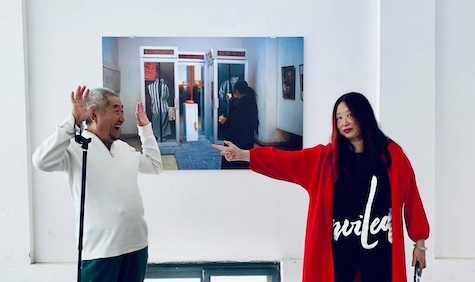
I recently saw a very colourful Xiao Lu. One of her hands was wrapped in white bandage, previously wounded during her “Polar” exhibition, whilst the other hand maneuvered the steering wheel with ease.
I am not good at discussing theory, let alone art. I know how to be alive. The form of a work of art, its very existence, is just the manifestation of an inner demand. Depending on your psychology in any given situation, it may be a poem, or the firing of a gun. …

The discussion centered on whether it is meaningful for Xiao Lu to be “naked,” and whether her art conforms to rules: a. Can the church’s taboo be removed with “nakedness” without the slightest hesitancy?
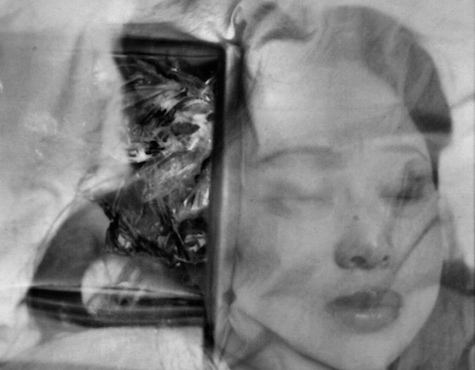
Although she belongs to the avant-garde generation that has done so well, internationally as well as within China, Xiao Lu nonetheless presents an alternative to the recognized artist. Contradictions abound in regard to her career: for one, she is considered a major artist on the basis of a very small body of work.